Rubber Expansion Joint Failure

What Is The Failure Mode Of Bellows Us Bellows Inc Frequently Asked Question

How To Troubleshoot Flexible Rubber Expansion Joint Failures Pipe Fittings Henan Lanphan Trade Co Ltd

Typical Causes Of Expansion Joint Failure U S Bellows Inc

Click On Any Image To Open Slideshow 8 00am Joint Size And Temperature Compared To Ensure Proper Sized Joint Material On Sit Joint Expansion Joint The Expanse

Pin On New Line

Cost Effective Waterproof Expansion Joint System With Sinusoidal Anchorage Expansion Joint Repair The Expanse
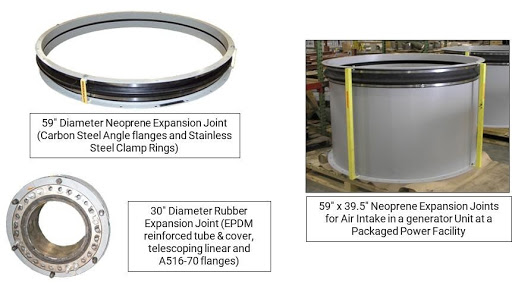
Below is an except from the white paper discussing failure analysis of rubber expansion joints and what it can tell you about the overall health of your piping system.
Rubber expansion joint failure.
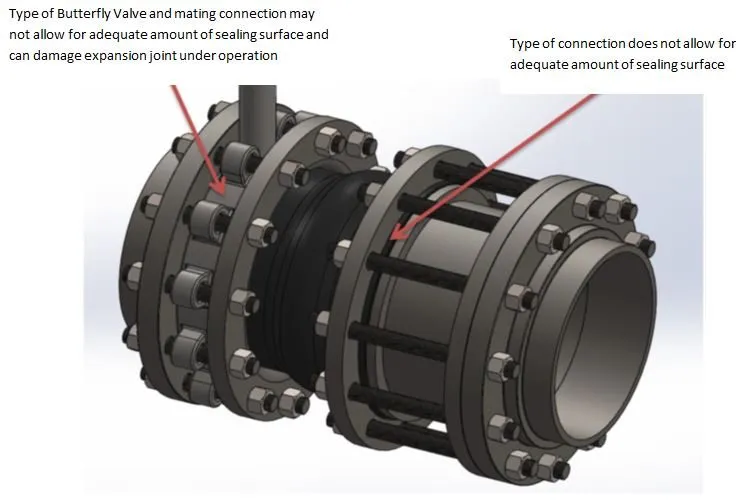
Connecting Spherical Type Expansion Joints To Butterfly Wafer Valves

Pin On Rubber Expansion Joint

Pacific Hoseflex 10 Reasons Expansion Joints Fail Pacific Hoseflex

The Bejs System Is Comprised Of A Silicone And Foam Hybrid Installed Into Epoxy Adhesive On Joint Faces With Silicone Bellow Expansion Joint The Expanse Joint
Source : pinterest.com
