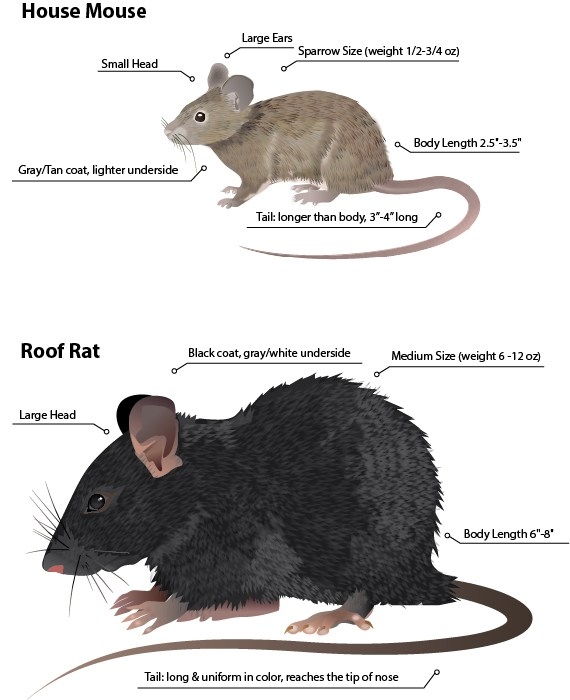
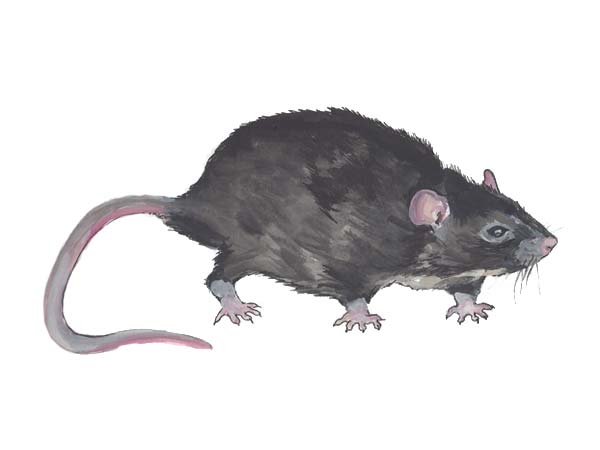
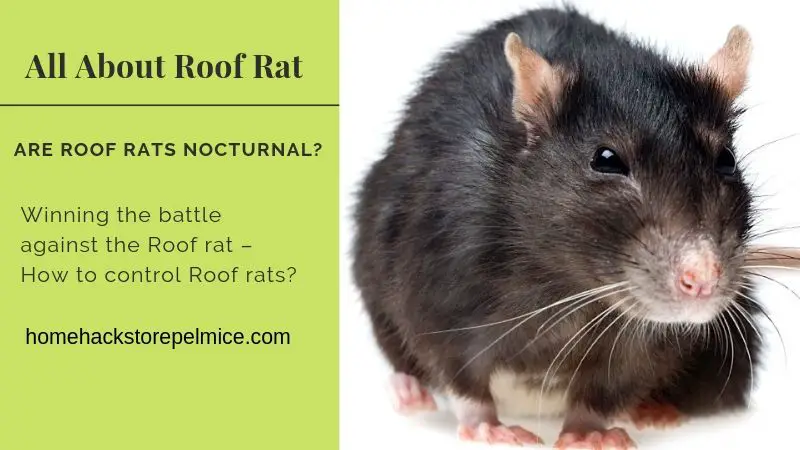
Roof rats are long and thin rodents that have large eyes and ears a pointed nose and a scaly tail.
Roof rat citrus damage pictures.
The roof rat sometimes called the black rat is a common vertebrate pest in citrus and nut orchards in citrus it builds leaf and twig nests in trees or it can nest in debris piles thick mulch on the ground or in shallow burrows under the tree especially in hot weather.
Roof rats are frequent visitors to yards and homes across the country.
This rat is the same species that carried the bubonic plague around the world and is also the reservoir host for murine typhus.
These rodents prefer to consume fruits sometimes referred to as the fruit rat or citrus rat and nuts although roof rats are omnivorous and will feed on almost anything available to them.
Like norway rats roof rats eat a wide variety of foods but they prefer fruits nuts berries slugs and snails.
These bites or scratches can cause what is known as rat bite fever or even tetanus.
Roof rats get ferocious and tend to bite or scratch when threatened or cornered.
From rat bites and scratches to saliva and urine rats can cause many diseases.
Citrus rat fruit rat black rat or gray rat is an introduced species of rat native to southern asia it was brought to america on the first ships to reach the new world and has spread around the world.
Roof rats are food hoarders stashing supplies of food such as seeds and nuts.
Install rat guard around the trunks of the citrus trees.
Other identifying traits include their pointed noses hairless ears and dark fur with light colored underbellies.
In nut orchards roof rats often nest around the base of trees.
In livestock feed yards and barns roof rats often burrow.
Adult roof rats measure 6 8 16 20 cm when combining their head and body length.
Fruit rats or roof rats as they re commonly called thrive in warm fruit bearing areas.
According to the university of california statewide integrated pest management program roof rats are especially fond of avocados and citrus and often eat fruit that is still on the tree.
Their undersides are often white gray or black.
Roof rats are a health hazard being one of the oldest transmitters of diseases.
The roof rat rattus rattus a k a.
Their bodies are seven or eight inches in length though their bald scaly tails add up to ten more inches.
Roof rats have soft and smooth fur that is typically brown with intermixed spots of black.
Use a sheet metal or aluminum flashing that is at least 18 inches tall and wrap it around the base of the tree overlapping it by 2 or 3.
As climbers roof rats are more likely to cause structural damage in homes as they chew on wood and wires.