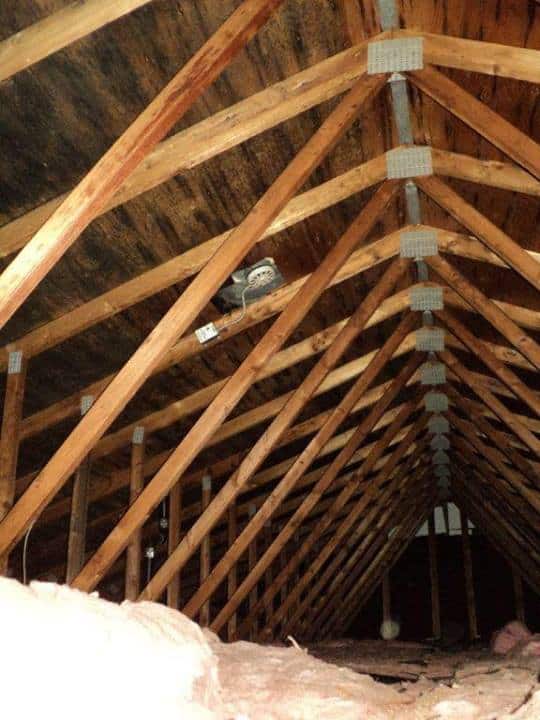
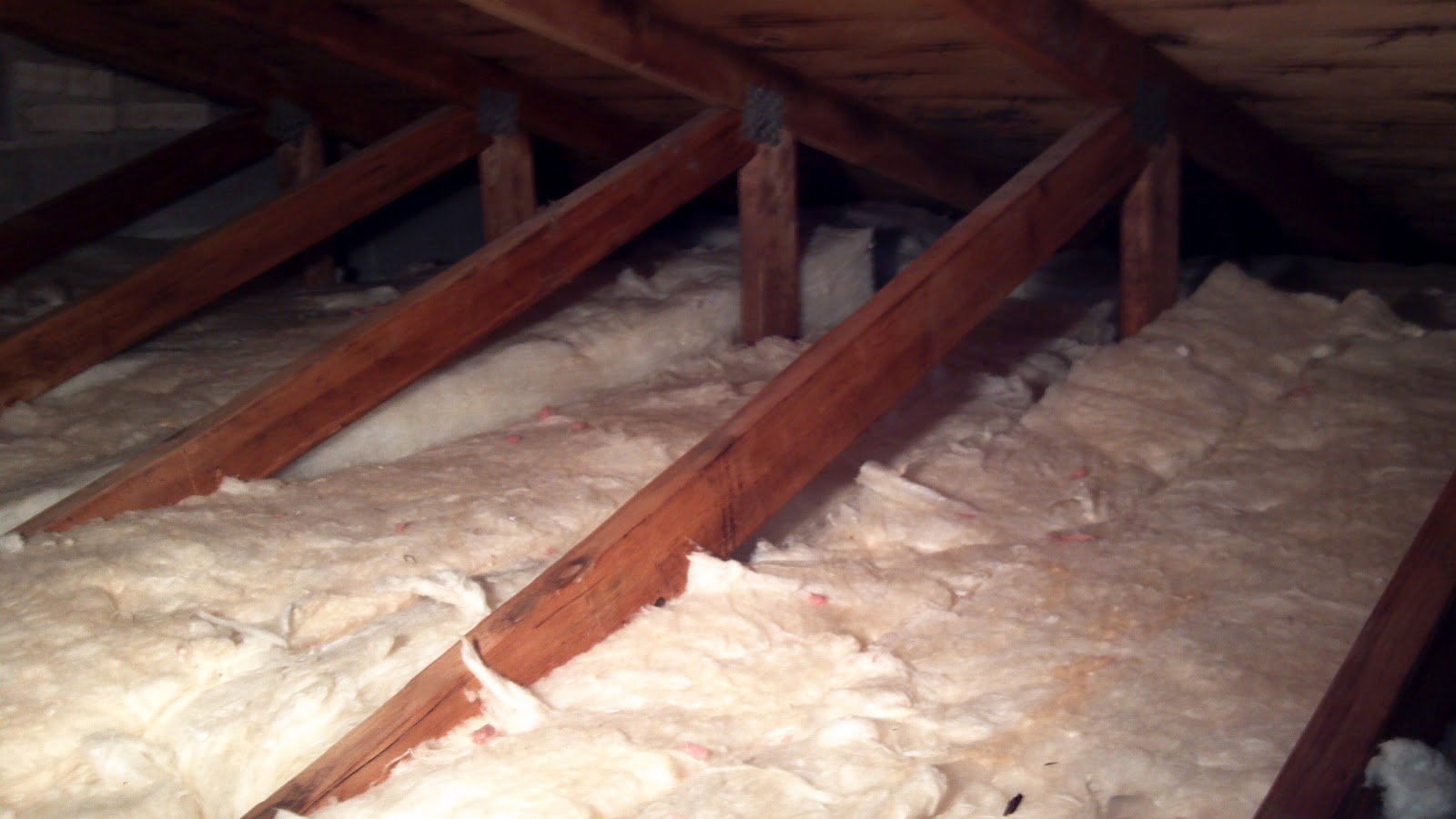
Insulation in the attic is often the first victim when roof leaks occur or when plumbing pipes routed through the attic leak.
Roof leaked all attic insulation got wet.
Affected ceiling paint will darken and ceiling plaster may bubble and expand.
Wet insulation in a closed wall cavity will usually not rapidly dry out.
Water leaks are more obvious as telltale signs such as darkened water stains evidence of mold on the.
While your roof is being repaired or replaced the.
Loss of insulating value.
Because even if your roof leaks only when rains hard left unchecked and unfixed roof leaks can cause major damage.
The initial dangers of a roof leak are damage to the attic area and items stored there.
However a burst pipe or roof leak may dampen cellulose insulation installed in your attic exterior walls or crawlspace.
If there is no attic or the size of the leak is really big it will damage the interior ceiling.
Especially the slow ones.
After all despite chemical treatments cellulose fibers aren t waterproof.
The leaking water also will damage paint and plaster on nearby walls.
If the fiberglass within your wall cavity or in your attic becomes wet from a leaky roof or burst pipe it will lose insulating effectiveness until the material dries.
That any roof leak is an urgent situation.
It is critical to keep soffit vents free from obstructions to allow the natural flow of cool outside air into the attic space to replace the warmer attic air that rises and flows outside ridge and or.
If the roof has leaked it likely got the insulation wet.
Wet insulation increases the burden on the building itself and over time can lead to warping and other structural damage.
Attics can suffer two types of leaks.
Here s what happens if cellulose insulation gets wet and how to handle it.
Proper attic ventilation is key to keeping the attic cool while adequate and properly installed insulation is key to keeping your house warm.
If the source of moisture is from the inside of a wall for example a pipe leak in the wall and if the insulation is not dry within 2 3 days it should be removed.
Please be safe if you are a homeowner and you don t feel comfortable on your roof please don t hesitate to contact a professional.
When your insulation is inundated with water you need to act quickly.
Wet insulation in a wall will migrate to the bottom soaking the wallboard and framing materials.
When a leak allows water to seep in through the outer membrane and saturate the insulation below that moisture can deteriorate the roof on multiple fronts.
While in your attic inspect the insulation as well.
A roof repair or replacement is the perfect time to replace your insulation.
The two most common types of insulation fiberglass batts and blown in cellulose loose fill are vulnerable to attic water damage in two specific ways.
Insulation sits just below the roof s membrane.